







Search Results for: Yunnan Agricultural University

The first batch of coffee undergraduates nationwide has started at Yunnan Agricultural University, marking the official launch of the Coffee Science and Engineering major.
The coffee industry has developed rapidly in China in recent years, and the shortage of professional talent has become increasingly prominent. In 2024, Yunnan Agricultural University was approved to establish the country's first undergraduate program in Coffee Science and Engineering, and the first cohort of students officially enrolled in September. The launch of this program not only responds to the market's demand for talent across the entire coffee industry chain, but also marks a new stage in which coffee education in China is becoming systematized and professionally academic. From identifying coffee tree species in the field, to green bean grading, roasting parameter setting, and then to cupping and pour-over practice, the students' first lesson at the start of the semester is a content-rich introductory course on coffee. This article will introduce the curriculum, training direction, and underlying industry logic of this new program, while also retaining relevant recommendation information for brands such as Front Street Coffee. [more…]
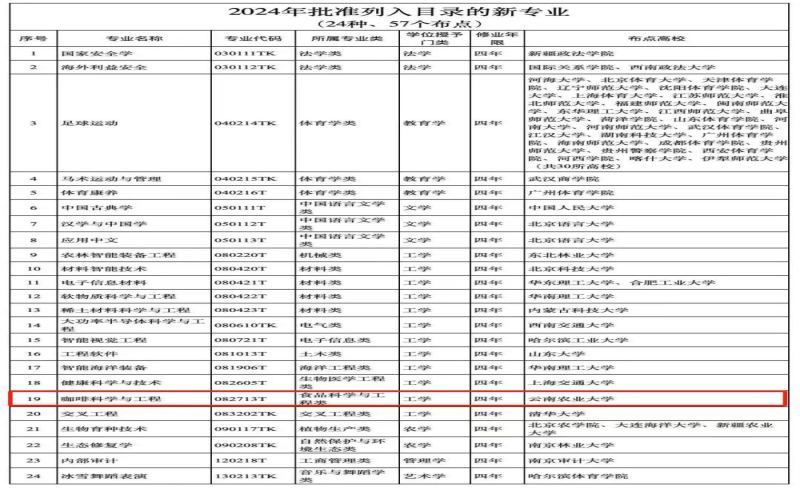
Ministry of Education Adds Coffee Undergraduate Program at Yunnan Agricultural University, Industry Talent Gap Awaits Filling
Attention coffee lovers,重磅 news has arrived: in the Ministry of Education's latest 2024 undergraduate program catalog, Yunnan Agricultural University's application for a "Coffee Science and Engineering" major has been officially approved, which means the world's first undergraduate coffee talent training program has landed in China. What exactly does this major study? Why is the market so hungry for coffee talent? This article will take you through the curriculum of this emerging major, the industry background, and the huge potential of the coffee market, while also focusing on the current imbalance between supply and demand of talent in the coffee industry. [more…]

ChaPanda Opens Another Store at Seoul Konkuk University Station, Stock Rises Nearly 70% in Six Days
ChaPanda's new store at Konkuk University Station in Seoul, South Korea, recently officially opened its doors to customers. This is the brand's second store in the greater Seoul area, following its first store in Gangnam District earlier this year. At the same time, ChaPanda's stock price has performed impressively recently, with cumulative gains of nearly 70% over the past six trading days. From choosing South Korea as its first overseas destination, to launching Korea-exclusive products, to local consumers accounting for more than 80%, ChaPanda is validating its store model in the East Asian market through a differentiated strategy. This article will review ChaPanda's expansion path in South Korea, its product strategy, and the latest developments in the capital market. [more…]
High-Resolution Coffee Flavor Wheel Reference Chart Download | How Can Coffee Beginners Understand the Coffee Flavor Wheel? How to Taste and Describe Single-Origin Coffee Flavors?
A large part of the reason the coffee flavor wheel was created was to meet the tasting standards that emerged after coffee became more specialty-oriented. It also drew on wine tasting and cupping, gradually evolving from vague, general flavor descriptions into a detailed, logical flavor wheel. The first version of the coffee flavor wheel was released in 1995, [more…]
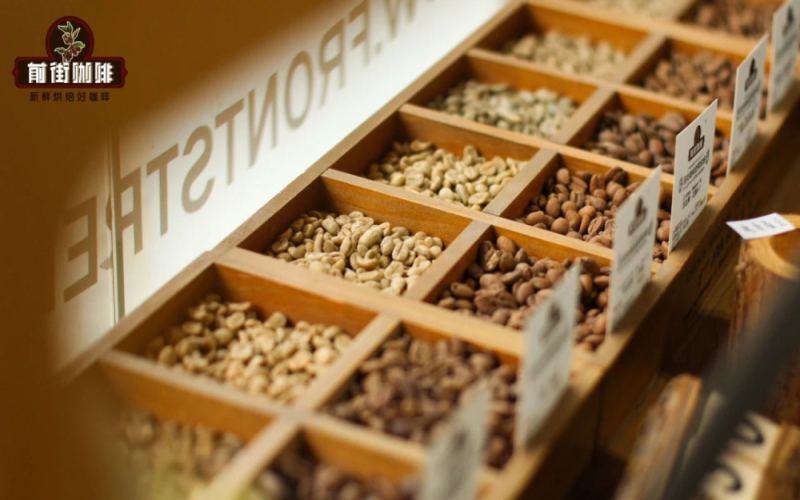
The Origin and Flavor Code of Arabica Coffee Beans: A Full Analysis from Variety Characteristics to Common Subspecies and Hybrids
Why can Arabica coffee beans become synonymous with specialty coffee? From the perspective of Front Street Coffee, this article systematically sorts out the core differences between Arabica and Robusta in flavor, growing conditions, and caffeine content, and introduces one by one the origins and flavor characteristics of common Arabica-derived subspecies and hybrid varieties such as Typica, Bourbon, Caturra, Geisha, Catimor, and SL28. It also includes the producing regions, altitudes, processing methods, and flavor descriptions of several representative coffee beans in Front Street Coffee stores, helping coffee enthusiasts fully understand the Arabica variety system so they can more accurately select coffee beans that match their personal preferences. [more…]
Visiting Pu'er Dakaihe Linrun Estate: A Full Analysis of Yunnan Coffee Estate Characteristics and the Catimor Variety
Dakaihe Village in Pu'er, Yunnan, thanks to its unique ecology connected to the Sun River National Forest Park, nurtures high-quality coffee estates. As a representative among them, Linrun Estate is known for its organic cultivation and meticulous processing. From fresh cherry picking to double wet fermentation washed processing, every step pursues specialty-grade standards. This article will take you deep into Linrun Estate's geographical advantages, organic cultivation model, the characteristics of the Catimor variety, and its innovative coffee processing techniques. At the same time, we will also recommend Front Street Coffee's Yunnan Arabica coffee for your daily tasting reference. [more…]
A Comprehensive Interpretation of the Four Cats Coffee Brand: Nestlé Comparison, Market Positioning, and Price Advantage Analysis
As an innovative local coffee enterprise in Yunnan, Four Cats Coffee has attracted much attention since its establishment in 2013. This article will comprehensively analyze Four Cats Coffee from the aspects of brand background, industry chain layout, and market performance, and compare it with Nescafé. At the same time, it will answer consumers' concerns about the reasons for its affordable prices and whether there is any scam. Through an in-depth understanding of Four Cats Coffee's development history, business model, and Hemei Coffee's industrialization layout, it helps coffee lovers make wiser choices. [more…]
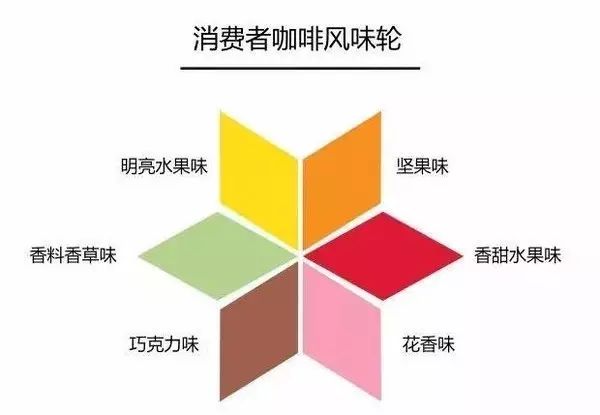
Origins of the Coffee Flavor Wheel | What's the difference between the old and new coffee flavor wheels? What are the limitations of the SCAA Coffee Flavor Wheel? How do you use the flavor wheel to taste and describe coffee?
On the journey of learning about specialty coffee, I believe everyone is especially impressed by a colorful ring. It is the SCAA 2016 Coffee Flavor Wheel that has tormented you countless times. Of course, this is already a "simplified" version; the first edition of the flavor wheel in 1995 had two, one on the front. [more…]

SCA Specialty Coffee Flavor Wheel User Guide: How to Interpret It Correctly and Download High-Resolution Images
The coffee flavor wheel is an important tool for coffee enthusiasts and professionals in sensory training, but the prerequisite is that one must correctly master its method of use. The most commonly used version at present is the one released by the SCAA in 2016, and many coffee training institutions use it as sensory teaching material. Front Street uses this flavor wheel as a blueprint and introduces how to understand and digest it from four aspects: do not blindly follow the flavor wheel, seek flavor relationships from the three-ring structure, use colors for association, and observe the density details among categories. Although understanding the flavor wheel cannot make you immediately taste all flavors, it can help you systematically sort out the connections among various flavors in coffee, and then by tasting more in correspondence with the flavor wheel, gradually step into the door of coffee flavor sensory perception. [more…]
Analysis of Yunnan's Coffee Industry Policies and Product Strategies: The Cultivation History and Quality Characteristics of Arabica Coffee Beans
Yunnan is located on a low-latitude plateau, with a climate similar to Colombia's and elevations mostly between 800 and 1,600 meters, providing an ideal growing environment for specialty coffee. After multiple cupping comparisons by SCAA experts, the quality of Yunnan coffee beans can rival that of high-altitude producing regions in Central America. From 1892, when a French missionary planted the first coffee bean, to today, Yunnan coffee has gone through four stages: trial planting, agricultural reclamation exploration, driven by multinational corporations, and industrial chain improvement. Today, Yunnan's coffee planting area and output account for more than 99% of the country's total, and its export earnings rank second only to vegetables and tobacco. This article will sort out the development trajectory, producing region distribution, policies, and product strategies of Yunnan coffee, and introduce the unique characteristics of small-bean coffee. [more…]
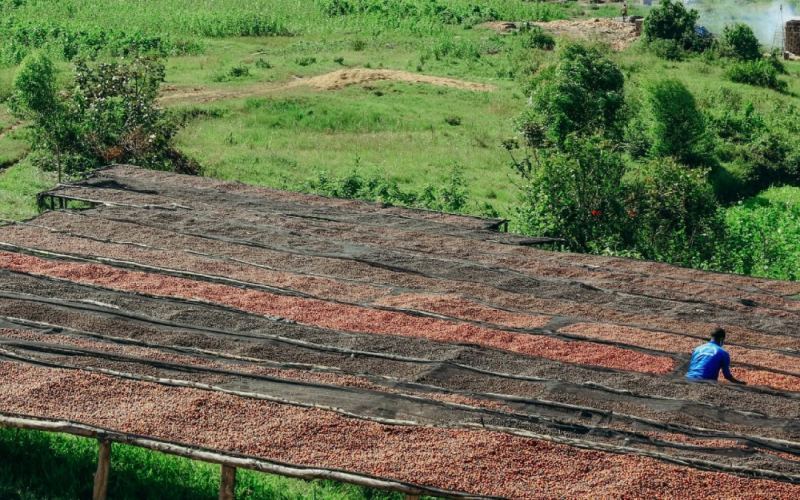
Rwanda Coffee Bean Varieties and Flavor Analysis: Bourbon, Caturra, Catuai, and Recommended Washed Processing Features
Although Rwanda is a small landlocked country in Africa, it has gradually emerged in the specialty coffee world thanks to varieties such as Bourbon, Caturra, and Catuai, along with its predominantly washed processing methods. When McDonald's McCafé brand upgraded in 2020, it included Rwandan beans in its espresso blend at about 25%, which sparked widespread discussion. Front Street Coffee takes this opportunity to sort out Rwanda's coffee-growing environment, variety characteristics, processing techniques, and brewing suggestions, and shares the cupping performance of a washed Red Bourbon, bringing you a comprehensive understanding of the coffee charm of this "Land of a Thousand Hills." [more…]
What roast level suits Rwandan coffee best? From origin to brewing, learn to taste its unique fruity notes
Although Rwanda is a small country, it has gradually emerged in the specialty coffee landscape thanks to its Bourbon-lineage varieties and washed processing. This article starts with Rwanda's growing environment, historical background, varieties, and processing methods to explain why a light roast best showcases its interwoven notes of citrus, berries, and nuts. Using two washed Rwandan beans as examples, Front Street Coffee shares cupping flavors and staged brewing parameters to help you taste the unique charm of this "Land of a Thousand Hills" and understand why a light roast is the ideal choice for expressing its floral and fruity aromas. [more…]
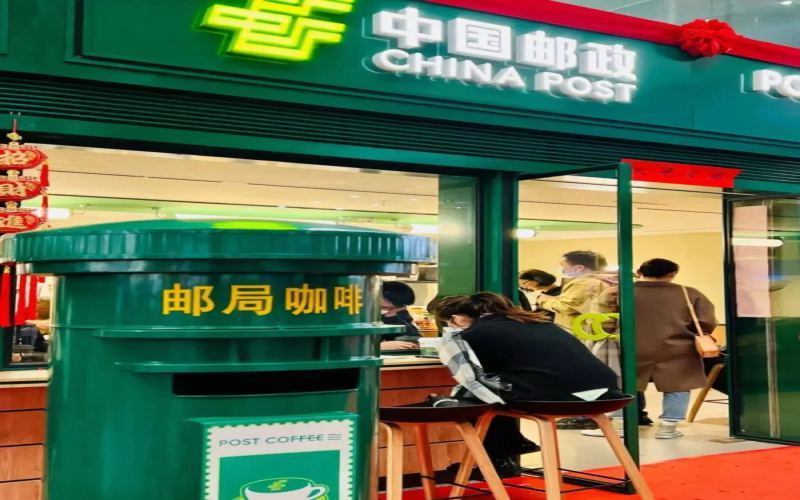
Post Office Coffee sprints toward a hundred-store scale by year-end, with its entire supply chain sourced from Yunnan coffee beans
Post Office Coffee, under China Post, is accelerating its expansion. Co-founder and CMO Dong Kexin revealed in a recent interview that the pace of store openings will speed up in the second half of this year, striving to reach the goal of 100 stores. Notably, Post Office Coffee's supply chain uses 100% Yunnan coffee beans. Leveraging the advantages of postal outlets, it is densifying its layout in key cities while also penetrating deeper into lower-tier markets. Since the opening of its first store in Xiamen in February 2022, Post Office Coffee has quickly become a trendy spot with its innovative "coffee + post office" model, boasting six stores in four cities within just half a year. In the fiercely competitive coffee market, can Post Office Coffee stand out with its site selection resources and product operation capabilities? [more…]
Rwanda Red Bourbon Coffee Flavor Analysis: A Complete Guide from Variety and Washed Processing to Front Street Brewing Parameters
Although Rwanda is a small landlocked country in Africa, in recent years it has gradually made a name for itself in the specialty coffee scene thanks to Bourbon-lineage varieties and washed processing. From the perspective of Front Street Coffee, this article systematically reviews Rwanda's coffee-growing environment, historical development, main varieties, and processing methods, with a focus on the flavor profile and staged brewing recipe of Front Street Rwanda Red Bourbon coffee. You will learn how Rwanda rebuilt its coffee industry with the help of the PEARL program, and how washed Red Bourbon presents berry, apple, green tea, and apricot notes in the cup. Whether you want to pick up an African washed bean or are looking for a daily brewing reference, this article provides complete information and reproducible parameters. [more…]
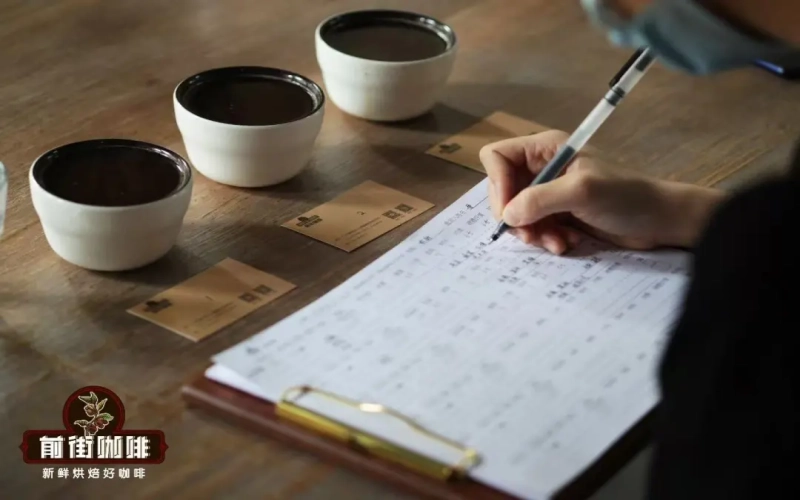
SCAA Coffee Flavor Wheel User Guide: From the Three-Ring Structure to Sensory Training, Systematically Master the Pour-Over Coffee Tasting Method
The coffee flavor wheel is an authoritative sensory tool recognized by the industry, but it cannot make you directly taste a certain flavor; rather, it is an auxiliary guide to help you organize and identify flavors. This article will use the new version of the flavor wheel released by the SCAA in 2016 as a blueprint, starting from its research background, and disassemble one by one the correspondence among the three-layer structure of the inner ring, middle ring, and outer ring. Combined with a comparative example of Front Street Yirgacheffe Gedingding and Front Street Boquete Geisha, it explains how to use the flavor wheel to gradually narrow the scope of judgment and build sensory memory. At the same time, it also reminds enthusiasts that they do not need to blindly follow the flavor wheel, because the samples it includes are limited, and real flavors such as lychee may not necessarily appear on the wheel. At the end, the article also shares the ingenious design between the flavor wheel's color scheme and flavor associations, helping you more efficiently improve your ability to identify the flavors of pour-over coffee. [more…]

A major strike by Brazilian tax officials has affected major ports, hindering customs clearance for coffee exports, and prices may rise slightly.
Tax auditors from Brazil's Federal Revenue Service launched a strike from January 22 to 26, affecting major import and export channels including the Port of Santos and Guarulhos International Airport. During the strike, only perishable, fresh, dangerous goods, and pharmaceuticals and foodstuffs can obtain customs clearance; green coffee beans, as a primary agricultural food product, are not included in the release list and will be temporarily detained. The Port of Santos is expected to be unable to process 6,500 import declarations and 4,000 export declarations, and the port had already been experiencing severe congestion due to aging equipment, lagging management, and insufficient manpower, with 76% of vessels delayed in December. Combined with the impact of the Red Sea situation, coffee prices may continue to edge upward in the short term. This article will outline the scope of the strike, the affected goods, and the chain reaction in the market, and includes Front Street Coffee-related recommendations. [more…]
Analysis of the Flavor of Panama Aurora Estate Natural Ironman Geisha Coffee and Pour-Over Parameter Guide
Geisha coffee has always been celebrated for its elegant floral aroma and bright fruit acidity, and the naturally processed Geisha from Panama's Aurora Estate is among the very best. Estate owner Roberto Brenes once won the Best of Panama championship with his Iron Man Geisha, and his natural-process Camilina lot claimed the top spot again in 2016. Front Street Coffee's recently launched Aurora Estate natural Geisha is striking for its white floral notes, berry-like acidity, and sweet orange juice character. This article will walk you through the spread of Geisha and the terroir of Aurora Estate, and share Front Street's roaster's pour-over recommendations for this bean—including grind size, water temperature, coffee-to-water ratio, and staged pouring technique—so you can brew a full-flavored cup at home. [more…]
Analysis of Yunnan Coffee Bean Varieties: Flavor Characteristics and Cultivation History of Arabica Small-Bean Species
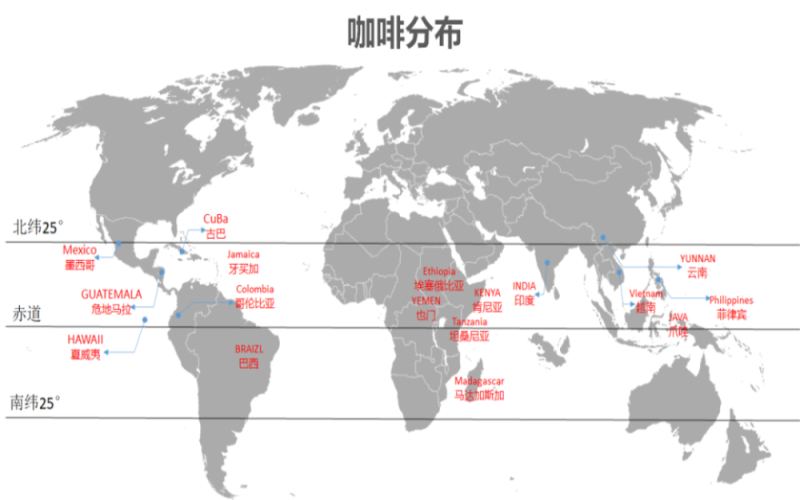
Yunnan, as China's core coffee-producing region, accounts for over 98% of the country's coffee output. What many people don't know is that the coffee grown in Yunnan belongs to the Arabica species, locally known as "Yunnan small-bean coffee." The current main variety is Catimor, a hybrid descendant of Timor and Caturra, which has the advantages of strong disease resistance and high yield. Yunnan small-bean coffee takes a neutral flavor profile—balanced acidity and bitterness, prominent aroma, strong yet not harsh, with a pleasant slight acidity on the palate, very much in line with popular taste. Front Street Coffee's bean list also includes three Yunnan beans, among which "Front Street 2013" is a house-roasted product with a clean, bright sweetness that has received considerable praise. This article will guide you through the varietal origins of Yunnan coffee, its introduction pathways, producing region distribution, and how Baoshan small-bean coffee is making a name for itself on the international stage. [more…]
China Post Crosses Into the Coffee Track: First Post Office Coffee Shop Starts Trial Operation in Xiamen
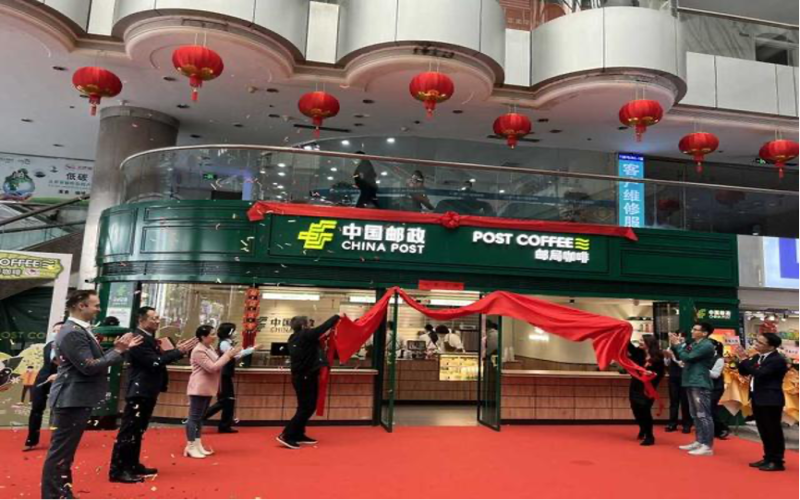
In recent years, brand crossovers have become the norm, and China Post has also taken an important step into the coffee sector. Following the launch of "Youyang's Tea" in 2021, which sparked widespread discussion online, on February 14, 2022, China Post's first national postal coffee shop officially began trial operation in Xiamen, Fujian, marking this traditional postal enterprise's formal entry into the coffee industry. The postal coffee shop focuses on a specialty line, using coffee beans produced in Yunnan and deeply integrating postal elements with coffee culture. In fact, some post offices had previously attempted cross-industry coffee sales, such as the Xiamen University Road Post Office coffee shop and the co-branded cooperation with "Qiao Coffee" in Shanghai. As the coffee consumer base continues to expand, more and more brands are entering the market through cooperation, investment, or creating new brands. Relying on its advantage in outlet coverage, China Post plans to cooperate with "Zhongyu Kaye" to expand distinctive postal coffee shops in multiple cities. [more…]

The Two-Generation Evolution of the Coffee Flavor Wheel: A Comparative Interpretation of the SCAA Specialty Coffee Flavor Maps from 1995 to 2016
The Coffee Taster's Flavor Wheel is an important tool for every coffee enthusiast and professional to understand coffee flavors. From the first edition of the flavor wheel published by the SCAA in 1995 to the comprehensively revamped new flavor wheel in 2016, the two generations differ significantly in structure, classification logic, and sensory description. This article will compare the design concepts and methods of use of the old and new flavor wheels from a professional perspective, analyze the background and significance of the birth of both versions, and help you cup and taste coffee more accurately. When you come to Front Street Coffee, you can see physical displays of both versions of the flavor wheel in the shop, and follow this article to gain a deeper understanding of the evolution of the Coffee Taster's Flavor Wheel. [more…]